

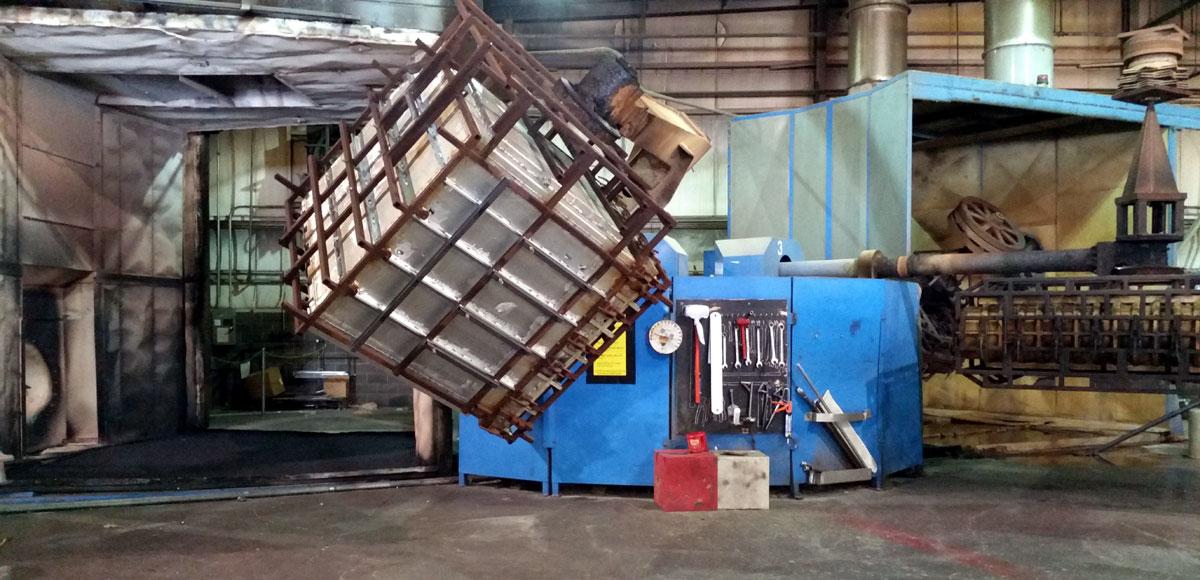
Industrial rotomolding, also referred to as rotational molding, is a manufacturing method made to make hollow plastic products with uniform wall thickness. Market data demonstrates over 70% of Rotomolding products are used in applications requiring long service living, such as for example storage, product managing, and professional infrastructure. The procedure removes inner pressure, which straight plays a role in solution durability and structural integrity.
How does professional rotomolding improve product life?
Data suggest that rotomolded plastic products may last 30–50% longer than related products and services created using conventional molding methods. This endurance is achieved through easy construction, also substance circulation, and opposition to cracking. Professional rotomolding also enables larger sides and sides, which are important strain factors in long-term use.
What materials are typically used in commercial rotomolding?
Significantly more than 80% of industrial rotomolding applications use high-performance polyethylene grades, picked for affect opposition, UV stability, and compound durability. These materials perform consistently in serious conditions, creating them suitable for equally interior and outdoor environments. Material efficiency also decreases spend, encouraging sustainable production goals.
How can industrial rotomolding support consistent quality?
Quality get a handle on data implies that commercial rotomolding produces around 95% dimensional consistency across large generation runs. Because molds rotate evenly throughout heating, substance layers the inside uniformly. That effects in estimated energy, paid off flaws, and minimal post-processing, which increases overall generation reliability.
Is industrial rotomolding cost-effective for long-term manufacturing?
From the mathematical viewpoint, industrial rotomolding decreases tooling costs by around 60% compared to high-pressure molding methods. The capability to create complex designs in one period lowers assembly prices and shortens generation timelines. Around the product lifecycle, preservation and alternative expenses will also be considerably reduced.
What industries gain most from industrial rotomolding?
Industrial rotomolding represents a critical role in industries wherever durability is non-negotiable. Application information reveals solid use in industrial storage, product containment, transportation parts, and environmental applications. Products made through this technique consistently meet efficiency requirements below major masses and recurring use.
How come industrial rotomolding considered a future-ready alternative?
Market trends show continuous development in commercial rotomolding as a result of climbing demand for long-lasting, low-maintenance plastic products. Their versatility to create improvements, substance innovation, and sustainability demands jobs it as a strategic production option for long-term commercial needs.